

Essential Permits and Regulations for Your Kitchen Remodel in Central Florida Explained
Picture this: You’ve been dreaming about your perfect kitchen for months. You’ve got Pinterest boards overflowing with ideas, you’ve picked out the perfect farmhouse sink, and you’re ready to demolish those outdated cabinets. But then someone mentions the word “permits,” and suddenly you’re drowning in questions.
Do I really need a permit? What happens if I skip it? How much is this going to cost me?
If you’re planning a kitchen remodel in Central Florida, understanding the permit process isn’t just a box to check—it’s your safety net, your legal protection, and honestly, your peace of mind. Let’s break down everything you need to know about permits and regulations for your Central Florida kitchen renovation, without the confusing legal jargon.
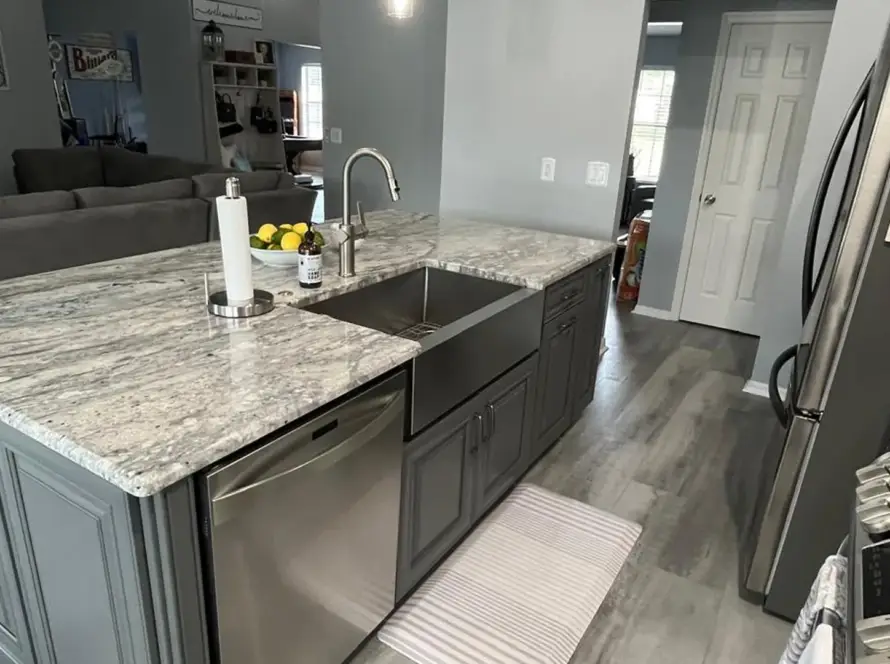
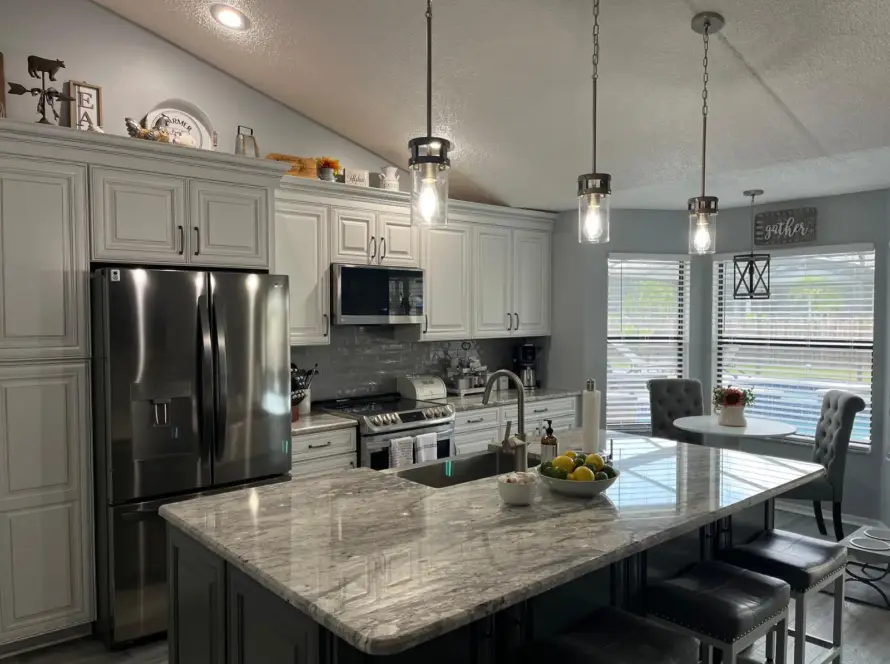
[Image suggestion: Modern Central Florida kitchen with permit documents on counter]
Alt text: “Approved building permits for kitchen remodel in Central Florida with modern kitchen in background”
When Does Your Kitchen Remodel Actually Need a Permit?
Here’s the straight answer: most kitchen renovations in Central Florida require permits, but not every single project does.
You’ll definitely need permits if your remodel involves:
- Structural changes – Moving or removing walls, even if they seem small
- Electrical work – Adding new outlets, upgrading your electrical panel, or rewiring lighting
- Plumbing alterations – Relocating your sink, adding a dishwasher line, or moving gas lines for your stove
- Major layout changes – Basically, if you’re doing more than just swapping out cabinets, you’re likely in permit territory
Think of it this way: if what you’re doing requires cutting into walls, messing with wires, or touching pipes, you need a permit.
[Image suggestion: Infographic showing “Permit Required” vs “No Permit Needed” kitchen projects]
Alt text: “Infographic showing which Central Florida kitchen remodel projects require building permits”
What Doesn't Require a Permit?
The good news? Simple cosmetic updates typically don’t need permits. That includes:
- Painting your cabinets or walls
- Replacing cabinet hardware
- Installing new countertops (without plumbing changes)
- Swapping out appliances using existing hookups
But here’s our advice from 14 years of experience: when in doubt, ask. A quick call to your local building department can save you from a world of headaches later.
Why You Shouldn't Skip the Permit Process
Permits sound like a pain. They cost money, they take time, and they add another layer of complexity to an already complicated project. So why bother?
Let’s paint you a different picture. Imagine you’ve just finished your gorgeous, unpermitted kitchen remodel. Five years later, you’re ready to sell your home. During the home inspection, the buyer discovers unpermitted work. Suddenly, you’re facing:
- Fines and penalties that can run into thousands of dollars
- Delays in selling your home while work gets corrected and inspected
- Reduced home value because buyers get nervous about unpermitted renovations
- Insurance headaches if there’s ever a claim related to the kitchen
In Central Florida’s competitive real estate market, unpermitted work can be a dealbreaker.
The Safety Factor You Can't Ignore
Beyond the legal stuff, permits ensure your kitchen is safe. When inspectors review your work, they’re checking that:
- Your electrical system can handle the load without starting a fire
- Plumbing is properly installed and won’t cause water damage
- Structural changes won’t compromise your home’s integrity
- Your kitchen meets current Florida Building Code standards
That’s not red tape—that’s protection for you and your family.
[Image suggestion: Building inspector reviewing kitchen electrical work]
Alt text: “Building inspector conducting electrical inspection during Central Florida kitchen remodel”
Understanding Central Florida's Specific Requirements
Here’s something important: Florida’s building codes can vary significantly from county to county. What’s required in Orange County might differ from regulations in Seminole or Osceola County.
Local Code Variations Matter
Central Florida covers multiple jurisdictions, and each one has its own quirks:
- Building code updates – Florida periodically updates its codes, especially after hurricane seasons
- Flood zone considerations – If you’re in a flood zone, additional requirements may apply
- Historical district rules – Some Central Florida neighborhoods have preservation requirements
- HOA regulations – Your homeowner’s association might have additional approval processes
Working with a licensed contractor familiar with Central Florida regulations makes this process infinitely easier. They already know the local codes and have relationships with building departments.
The Step-by-Step Permit Process Explained
Let’s demystify what actually happens when you apply for a kitchen remodel permit in Central Florida.
[Image suggestion: Flowchart showing the 4-step permit process]
Alt text: “Step-by-step flowchart of kitchen remodel permit process in Central Florida”
Step 1: Gather Your Documentation
Before you even visit the building department, you’ll need:
- Detailed architectural drawings showing the current and proposed layout
- A comprehensive project plan outlining all work to be performed
- Electrical and plumbing schematics (if applicable)
- Specifications for materials and fixtures
- Contractor license information (if you’re using a professional)
Professional contractors typically handle this documentation for you, which is honestly worth its weight in gold.
Step 2: Submit Your Application
Once your documentation is ready, you’ll submit it to your local building department along with an application fee. These fees vary by jurisdiction and project scope but typically range from $200 to $800 for most kitchen remodels.
Processing times vary, too. In some Central Florida counties, you might get approval in a week. In busier areas or during peak construction seasons, it could take three to four weeks.
Step 3: The Review Process
Building officials will review your plans to ensure they meet code requirements. They might request revisions or clarifications. This back-and-forth is normal—don’t panic if they come back with questions.
Step 4: Approval and Inspection Scheduling
Once approved, you’ll receive your permit. Now the real work begins! Throughout your renovation, you’ll need to schedule inspections at specific milestones:
- Rough-in inspections – After framing, electrical, and plumbing rough work is complete
- Insulation inspection – Before covering insulation with drywall
- Final inspection – After all work is completed
Never cover up work that needs inspection. If an inspector needs to see something and it’s already covered, you’ll have to tear it back open.
Common Permit Pitfalls and How to Avoid Them
After 14 years of kitchen renovations in Central Florida, we’ve seen these mistakes repeatedly:
Pitfall #1: Starting work before getting permits
Solution: Wait for approval. Starting work before permits can result in stop-work orders and fines.
Pitfall #2: Assuming the contractor will handle everything
Solution: Even if your contractor applies for permits, stay involved. Ask questions. It’s your home and your responsibility.
Pitfall #3: Not scheduling inspections on time
Solution: Schedule inspections when required, even if it means a slight delay.
Pitfall #4: Making changes mid-project without updating permits
Solution: If you decide to change something significant, amend your permit.
[Image suggestion: Red “STOP WORK ORDER” notice on construction site]
Alt text: “Stop work order issued for unpermitted kitchen remodel in Central Florida”
Working With Licensed Contractors vs. DIY
Florida law allows homeowners to pull permits and act as their own contractor on their primary residence. But should you?
The Reality of DIY Permitting
Going the DIY route means you’re responsible for:
- Understanding complex building codes
- Creating proper documentation
- Coordinating all trades (electricians, plumbers, etc.)
- Scheduling and managing inspections
- Ensuring all work meets code
For simple projects, this might be manageable. For full kitchen remodels involving multiple trades? It’s overwhelming for most homeowners.
The Professional Advantage
Licensed contractors bring:
- Code expertise – They live and breathe these regulations
- Established processes – They know exactly what documentation is needed
- Inspection experience – They understand what inspectors look for
- Relationships – Good contractors have working relationships with building departments
- Liability coverage – Licensed, insured contractors protect you if something goes wrong
Cost Considerations: Budgeting for Permits
Let’s talk money. Permit costs in Central Florida typically include:
- Application fees – $200-$800 depending on project scope
- Plan review fees – Sometimes charged separately
- Inspection fees – Usually included in permit costs, but verify
- Impact fees – Rare for kitchen remodels but possible in some jurisdictions
Here’s the math that matters: permit fees might cost you $500-$1,000. Getting caught with unpermitted work and having to remedy it? That can cost tens of thousands of dollars, not to mention legal headaches.
[Image suggestion: Calculator with permit application forms and money]
Alt text: “Calculating kitchen remodel permit costs and fees in Central Florida”
Timeline Expectations: How Long Does This Take?
Be realistic about timing. A complete kitchen remodel in Central Florida, including the permit process, typically follows this timeline:
- Permit application and approval: 1-4 weeks
- Demolition: 1-3 days
- Rough-in work: 1-2 weeks
- Rough-in inspections: Allow 1 week for scheduling
- Finishing work: 2-4 weeks
- Final inspection: 1 week
Total timeline: 8-12 weeks for most full kitchen renovations, from permit application to final inspection approval.
Rush jobs often lead to mistakes, which lead to failed inspections, which lead to delays anyway. Build in buffer time for the unexpected.
Special Considerations for Central Florida Homes
Central Florida has some unique factors that might affect your kitchen remodel permits:
Hurricane Code Compliance
Florida takes hurricane preparedness seriously. Your kitchen remodel might need to address:
- Impact-resistant windows if you’re changing window openings
- Proper anchoring for overhead structures
- Updated wind load requirements
Flood Zone Requirements
If your home is in a flood zone (common in parts of Central Florida), you might face additional requirements regarding:
- Electrical outlet heights
- Appliance placement
- Water-resistant materials
Older Homes and Code Updates
Renovating an older Central Florida home? You might need to bring certain systems up to current code during your remodel, including:
- GFCI outlets in kitchen areas
- Arc-fault circuit breakers
- Updated ventilation requirements
[Image suggestion: Central Florida home exterior showing typical architectural style]
Alt text: “Typical Central Florida home requiring kitchen remodel permits and code compliance”
Your Kitchen Remodel Permit Checklist
Before you start your Central Florida kitchen renovation, check off these items:
✓ Confirmed that your project requires a permit
✓ Chosen a licensed, insured contractor
✓ Gathered all necessary documentation
✓ Submitted permit application to the correct building department
✓ Received permit approval before starting work
✓ Scheduled required inspections at appropriate milestones
✓ Kept all permit documentation for future home sales
Ready to Start Your Permitted Kitchen Remodel?
Permits and regulations aren’t the fun part of planning your dream kitchen, but they’re designed to protect you. Every inspection passed is confirmation that your investment is sound, your family is safe, and your home’s value is protected.
At Posada Remodeling & Design, we’ve spent 14 years helping Central Florida homeowners navigate the permit process seamlessly. We handle the paperwork, coordinate with building departments, and ensure every inspection passes the first time. Your kitchen remodel is a significant investment—let’s make sure it’s done right.
Ready to transform your kitchen the right way? Contact Posada Remodeling & Design today for a consultation. We’ll handle the permits while you focus on picking out those gorgeous new cabinets.